Protecting Our Companions: Understanding Heat Stroke
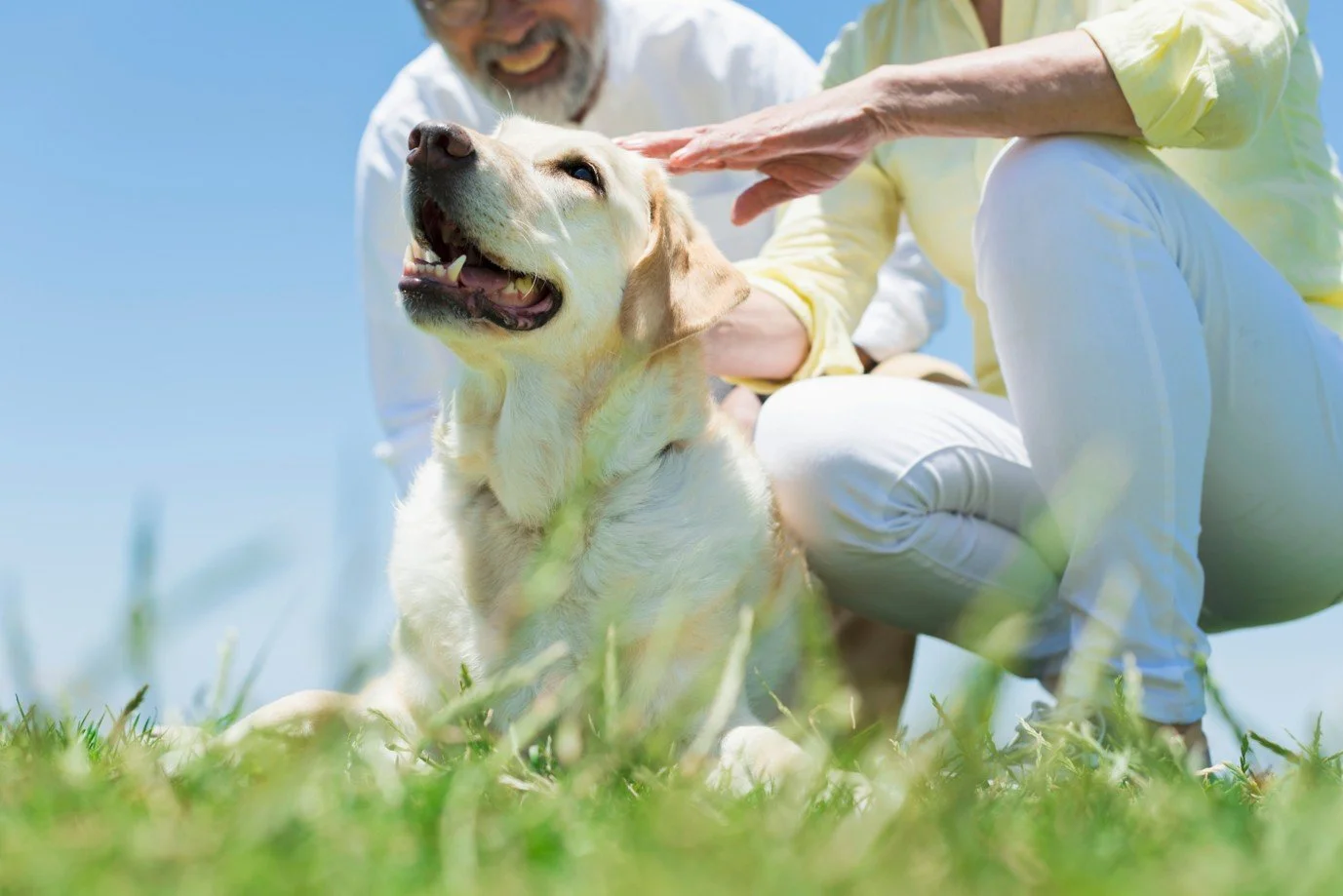
Summer in Florida is a great time to go outside with pets, but it’s important to watch for the warning signs of Heat Stroke
Living in along the Gulf Coast offers endless opportunities for outdoor adventures. However, summertime heat and humidity can present a serious hazard for our pets: heat stroke. Because dogs cannot sweat like humans to cool down, they rely primarily on panting. When the surrounding air is saturated with humidity, this cooling mechanism can fail, causing their core temperature to spike dangerously high.
Recognizing the early warning signs of heat stroke can mean the difference between a quick recovery and a life-threatening emergency.
The Signs and Symptoms to Watch For
Heat stroke escalates rapidly. Pet parents should monitor their dogs closely for these progressive symptoms:
Excessive, Loud Panting: This is usually the first indicator. The panting may sound frantic, harsh, or dry.
Hypersalivation: Look for thick, heavy, or rope-like drool pooling around the mouth.
Discolored Gums: Healthy dog gums are a light, bubblegum pink. If your dog’s gums turn bright red, purple, or dark grey, their body is in distress.
Lethargy and Disorientation: A dog struggling with heat may stumble, appear dizzy, or refuse to stand or walk.
Vomiting or Diarrhea: Severe heat stress upsets the gastrointestinal tract quickly.
Collapse or Seizures: This indicates an absolute medical emergency requiring immediate veterinary intervention.
Which Dogs Are Most Vulnerable?
While any dog can succumb to excessive heat, certain factors greatly increase a pet's vulnerability.
Brachycephalic Breeds: Flat-faced or short-nosed dogs are at the highest risk. Breeds like French Bulldogs, English Bulldogs, Pugs, and Boxers have restricted upper airways. Their shortened nasal passages make itdifficult to pant efficiently, meaning they can overheat in a fraction of the time it takes other breeds.
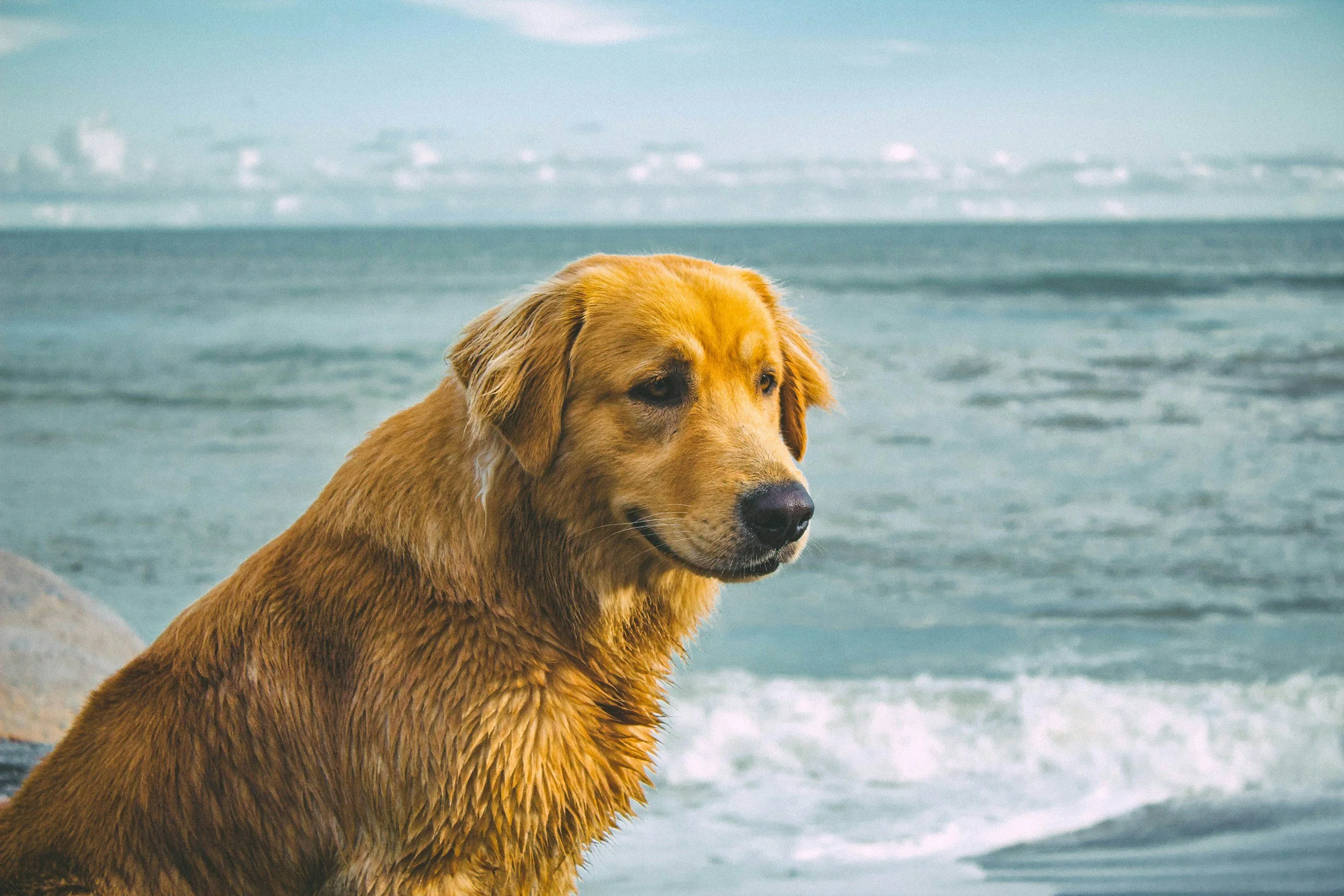
Coat Type and Color: Dogs with thick, double coats (such as Huskies, Golden Retrievers, or Shepherds) or dogs with dark fur that absorbs solar radiation are highly susceptible to the intense Florida sun.
Age and Health Status: Senior dogs, young puppies, overweight dogs, and pets with underlying medical conditions—particularly heart disease or laryngeal paralysis—have a significantly lower tolerance for heat stress.
Prevention and Immediate Action
Prevention is always the best medicine. Avoid strenuous exercise during the peak sun hours of 10:00 AM to 4:00 PM. Always ensure your dog has access to shade and clean, fresh water, and never, under any circumstances, leave a dog inside a parked vehicle—even with the windows cracked.
If you suspect your dog is overheating, move them to an air-conditioned space immediately. Begin cooling them down by wetting their fur with cool (never ice-cold) water, focusing on their underbelly, chest, and paw pads, and place a fan nearby to promote evaporation. Contact an emergency veterinarian immediately to ensure their internal organs are safe.
At Comforting Currents, we advocate for the wellness of our local pet community, helping families protect the companions who bring so much joy to our lives.
Written by: Chris Cavis: Partner / Director of Customer Services and Content (https://www.linkedin.com/in/chriscavis21326195/)
Chris’s first and continued passion is for storytelling, a journey that eventually led him to the University of Florida, where he earned his Master’s degree in Journalism. He values the ethical responsibility as a journalist to fact-check, acquire multiple reliable sources, and follow the Society of Professional Journalists Code of Ethics. Today, Chris is a Partner of Comforting Currents and serves as the Content and Office Manager at Comforting Currents, where he blends professional expertise with a passion for service. A lifelong animal lover, Chris grew up surrounded by pets, a background that fostered a profound empathy for families navigating the difficult journey of pet loss.